A yard that has lost its beat can get it back.

Proper Mediation Inc. rebuilds how shipyards work, so that on-time, on-budget delivery becomes the normal way of working. No new docks, no new cranes, no new workforce. A new operating structure.

From steel cutting to sea trial, one beatOkpo, large crude-oil tanker: 29 workstations in step
On every beat, every workstation hands its work to the next at the same moment. Block assembly to sea trial after Figure 8 of The Heartbeat of the Shipyard; the cutting and parts stage is added for illustration.
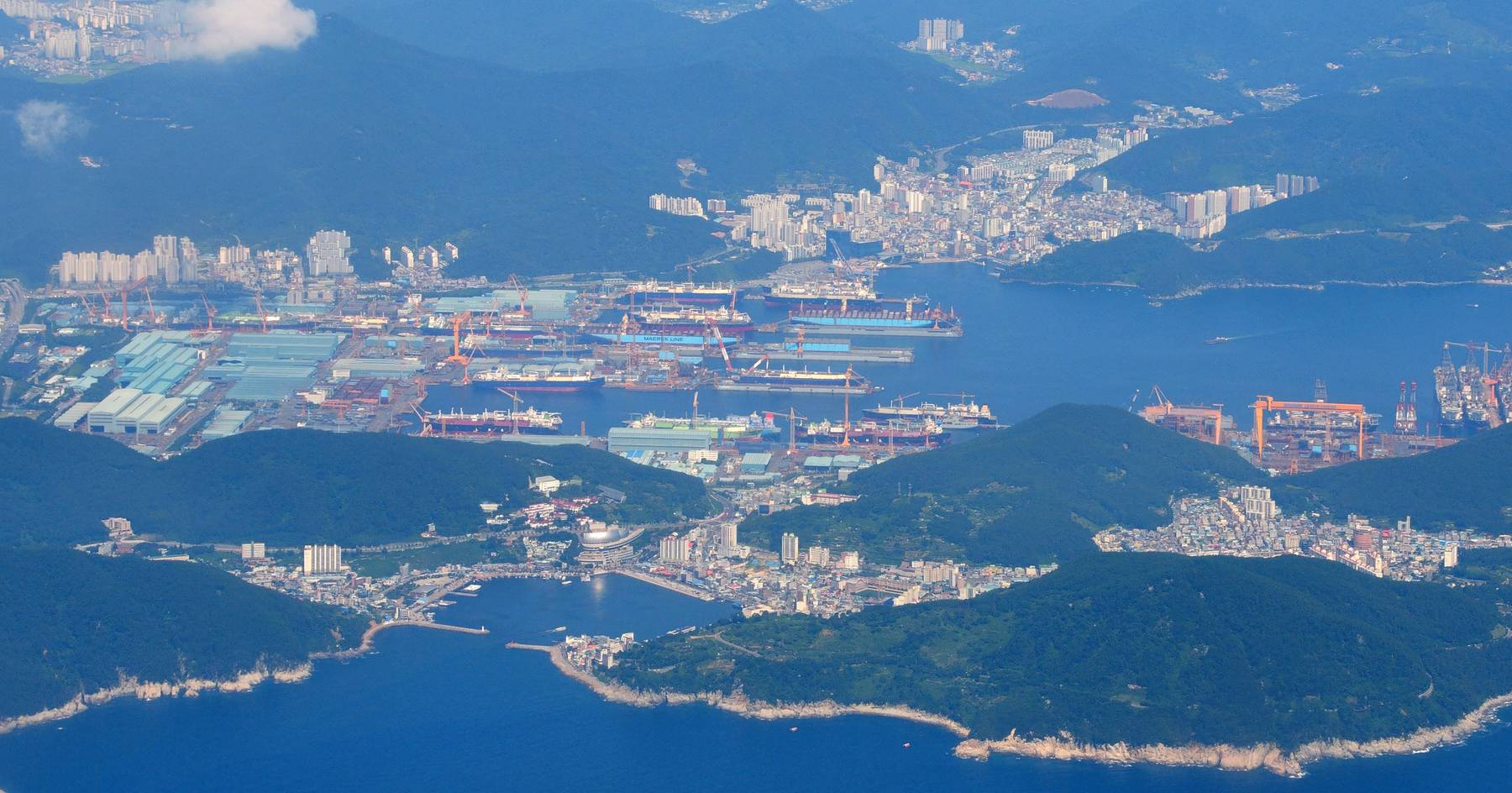
Okpo, Geoje · 1987 near collapse · 1993 the world's leading VLCC builderPhoto: IikaJzuchiN, CC BY-SA 4.0, via Wikimedia Commons
14→9
months of VLCC lead time
Daewoo Okpo · 1987–1993
−60%
man-hours per VLCC, 1.3M to 520K
Daewoo Okpo · 1987–1993
7 of 7
naval projects on time, after 0 of 7
Boustead Naval Shipyard · 2013–2017
14→7
months of system integration
SLEP-2 corvette · Royal Malaysian Navy

The Okpo turnaround is documented in Harvard Business School Case 9-695-001, Daewoo Shipbuilding and Heavy Machinery (Upton and Kim, 1994).
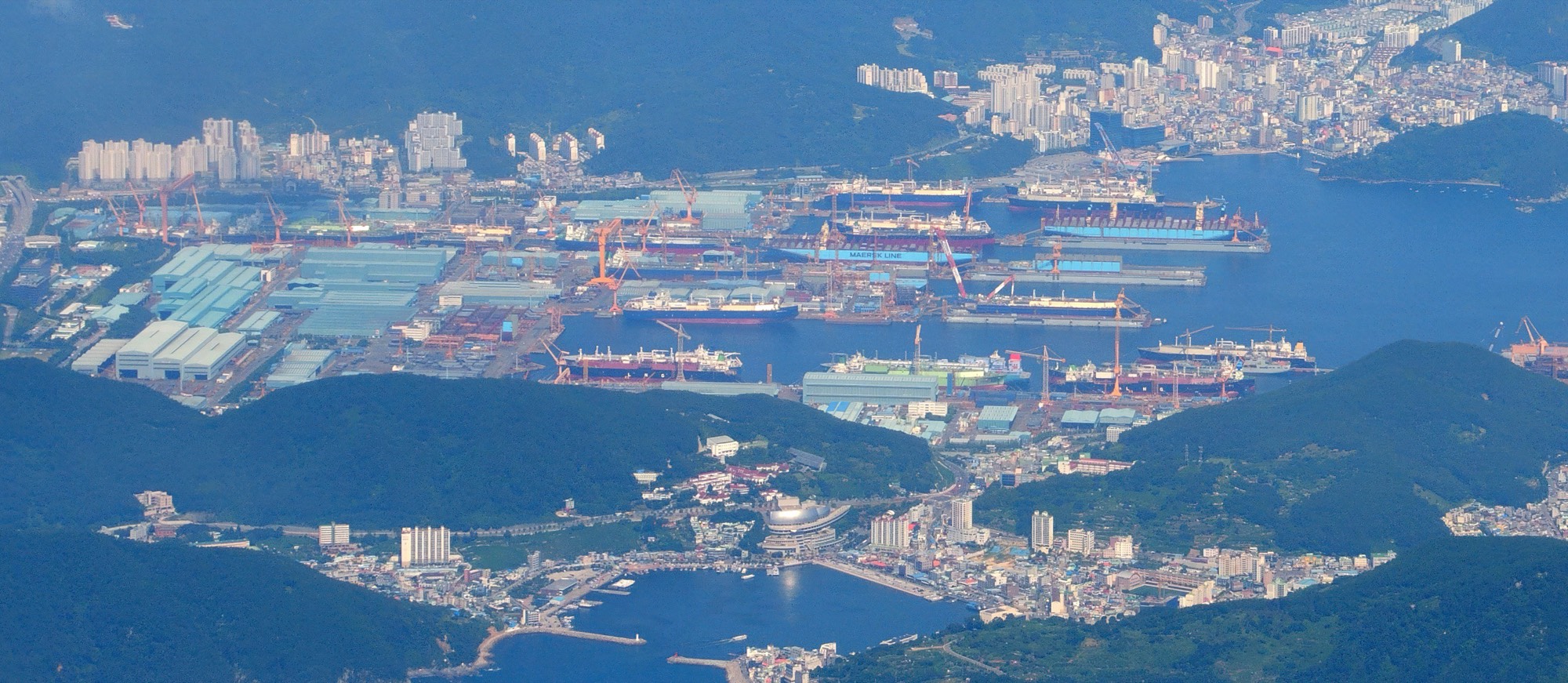
The Okpo shipyard on Geoje Island seen from the air: docks, gantry cranes and ships under construction

Our mission

Proper is more. Mediation is everything.

Mediate through proper engagement. That is where the best is brought forth.

  • Solve problems from the rootWe hold to one principle above the others: find the cause, not the symptom.
  • Design for the whole and the futureEvery project is shaped for the whole organization and for the years after we leave.
  • Release the potential withinPeak performance comes from the people and organizations already there, not from outside.
  • Make new behavior lastWe build the structure that carries new thinking and behavior into lasting habit and culture.
Who we are →Photo: IikaJzuchiN, CC BY-SA 4.0, via Wikimedia Commons (cropped)

The problem

Most yards run late for the same reason.
It is rarely the people.

By Suh Wan-Chul's estimate, more than 90 percent of the world's shipyards run late and over budget. In the yards he has worked in, the drawings, the equipment and the workforce were seldom the constraint. The structure was: no shared beat, no clear task for the day, trades colliding in the same compartment, and teams waiting on one another.

Performance = Potential− Interference− Hesitation

TodayPotential, partly delivered
  • HesitationNot knowing what today requires, so people wait to see what others do.
  • InterferenceTrades in the same space, work waiting on drawings and material, crews remobilizing every shift.
  • PerformanceWhat reaches the ship.
Remove both losses
  • Zone-based plan: one team, one compartment
  • Procedures written by the teams
  • One visible TACT beat
  • Daily briefing and closing meeting
With the structurePerformance = Potential
  • Same people, drawings and equipmentWe add nothing to the potential. It was on the floor all along.
  • ×4Outfit-installation rate at Boustead in 2014, with the same workforce.

After The Heartbeat of the Shipyard, §9.5. Proportions in “Today” are illustrative.

The approach

One beat for the whole yard,
and four structures that hold it.

Synchronized TACT Production sets one visible rhythm for the yard. It is back-calculated from the delivery date and built up from the working teams' own procedures. Four structures make keeping that rhythm the easiest way to work.

The ground beneath

Permanent In-house School: the basics for everyone, taught by trainers grown inside the yard.
Read the approach →

The record

Same docks. Same drawings. Same people.
A different structure.

Aerial view of the Okpo shipyard on Geoje Island, Korea

Commercial newbuilding · Korea · 1987–1993

Daewoo Okpo: from bankruptcy to the world's leading VLCC builder in six years

14→9
months of VLCC lead time
1.3M→520K
man-hours per VLCC
12→8
weeks of dock cycle per ship
10%
of world commercial tonnage in 1993, a first for a single yard
Read the case →
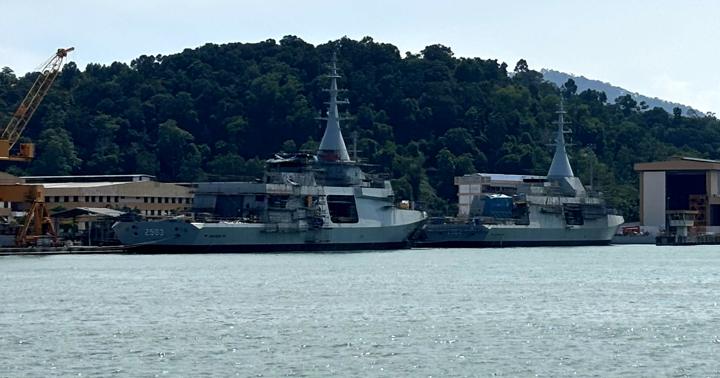
Warships alongside at Boustead Naval Shipyard, Lumut, Malaysia

Naval MRO · Malaysia · 2013–2017

Boustead Naval Shipyard: seven late projects, then seven on time

×4
outfit-installation rate, same workforce
14→7
months of system integration on SLEP-2
49→32
months of total production for the corvette class
7 of 7
projects delivered on time through 2017
Read the case →
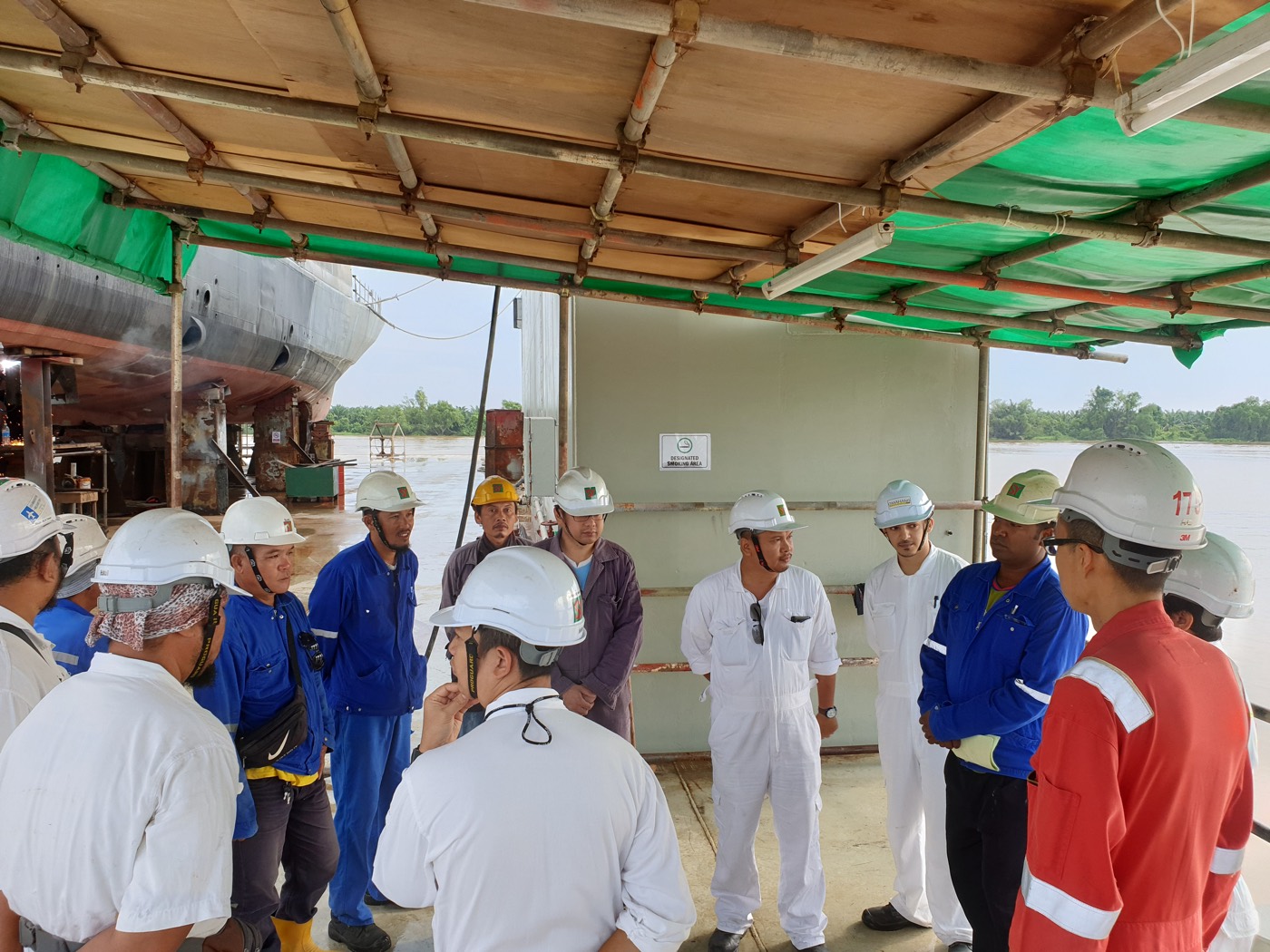
Morning briefing on the quayside at Shin Yang Shipyard, Miri, 2019

Naval MRO and newbuilding · Malaysia · 2019–2020

Shin Yang Shipyard: a stalled naval refit recovered, and a new production system installed in one year

75%
of all pipe spools installed in two weeks
78
outstanding items closed with the Navy in fifteen days
3.5 mo
from engine installation to delivery of a 47-year-old patrol boat
6-day
TACT for hull erection on a UAE training ship
Read the case →

Photo: IikaJzuchiN, CC BY-SA 4.0, via Wikimedia Commons. Photo: Hiroki.loh.st, CC BY-SA 4.0, via Wikimedia Commons. Photos: Suh Wan-Chul, Shin Yang Shipyard, 2019.

Who we work with

Organizations that build, repair and own ships.

Korea · Romania · Denmark · Germany · Lithuania · Malaysia

Commercial shipyards

Newbuilding yards that must deliver on time, cut man-hours and hold their place in the market.

Naval yards and MRO

Yards building, repairing and upgrading warships against fixed contract dates.

Navies and governments

Programme owners and policymakers who need new capacity to turn into delivered ships.

Heavy industry

Offshore, onshore EPC, power and process plants with project-based production.
How we work with them →
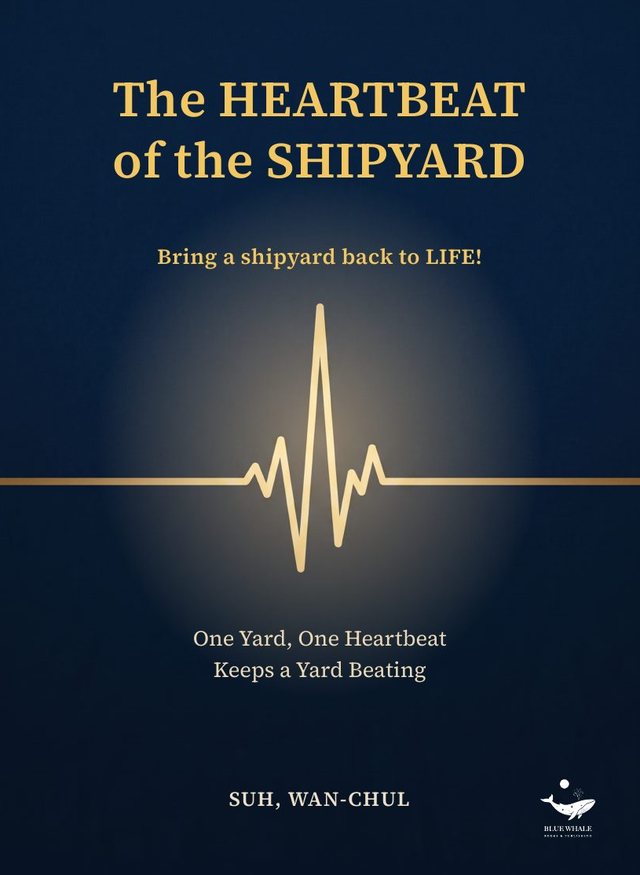
Cover of The Heartbeat of the Shipyard by Suh Wan-Chul

The book behind the method

The Heartbeat of the Shipyard

Bringing a Yard Back to Life and the Structure That Keeps It Beating

Fifty years of shipyard practice in one method: two recoveries told from the inside, and the operating system drawn from them.

Suh Wan-Chul · Blue Whale Books&Publishing · Paperback and Kindle · Coming 2026

Visit the book site →

Contact

Start with a conversation about one yard.

Tell us where the yard is today and where it needs to be. We will tell you plainly whether we can help.

Email
propermediation@gmail.com
Phone
+82 2 564 0700
Office
Seoul, Republic of Korea
Send an enquiry